Spring in the Lowveld is always something special. Fresh green leaves return, wildflowers bloom, and the bushveld starts buzzing with life. At Likweti Bushveld Farm Estate, one of the clearest signs of the changing season is the familiar call of the cuckoos, returning after their long migratory journeys.
Seven Cuckoo Species at Likweti
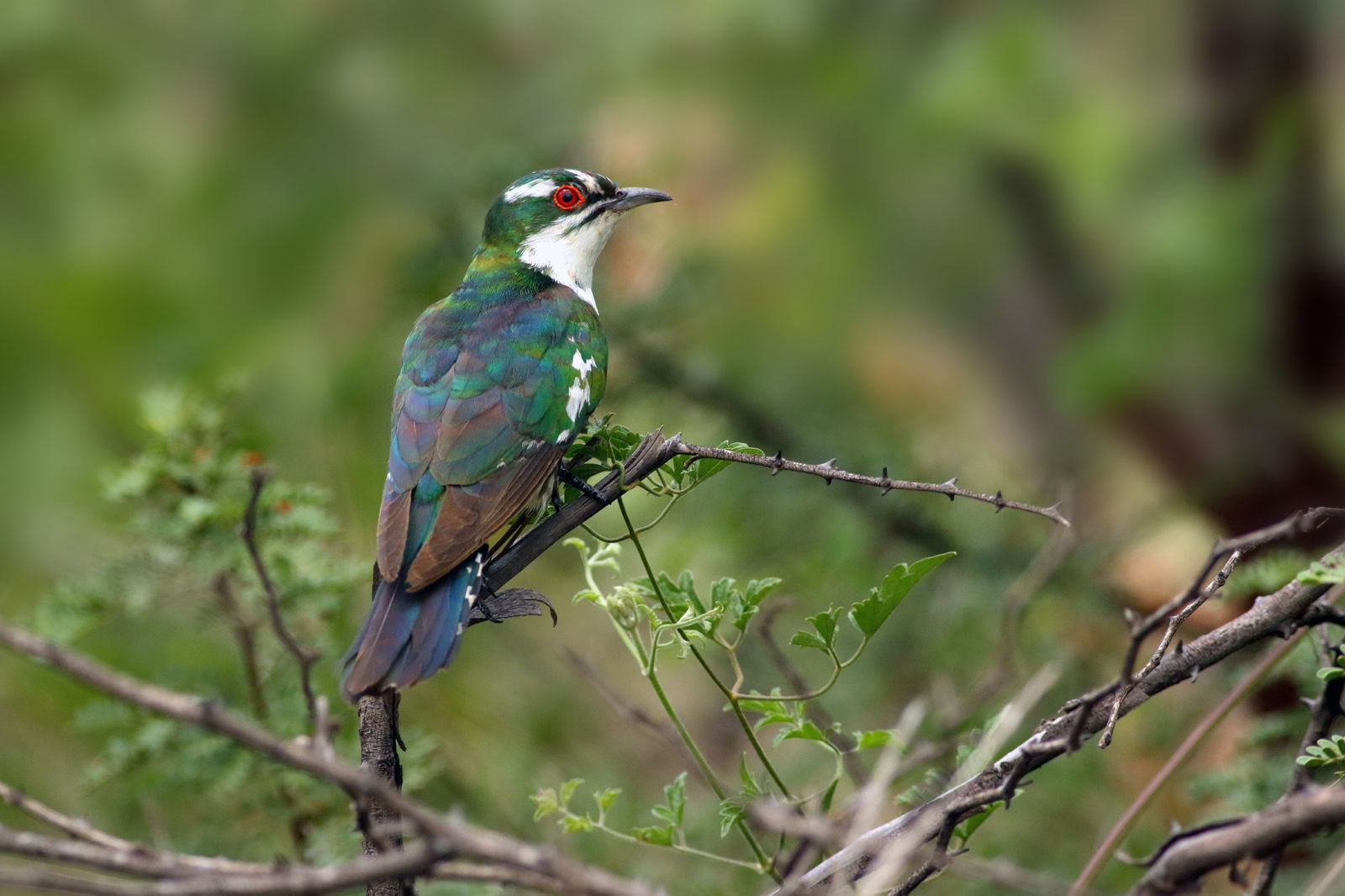
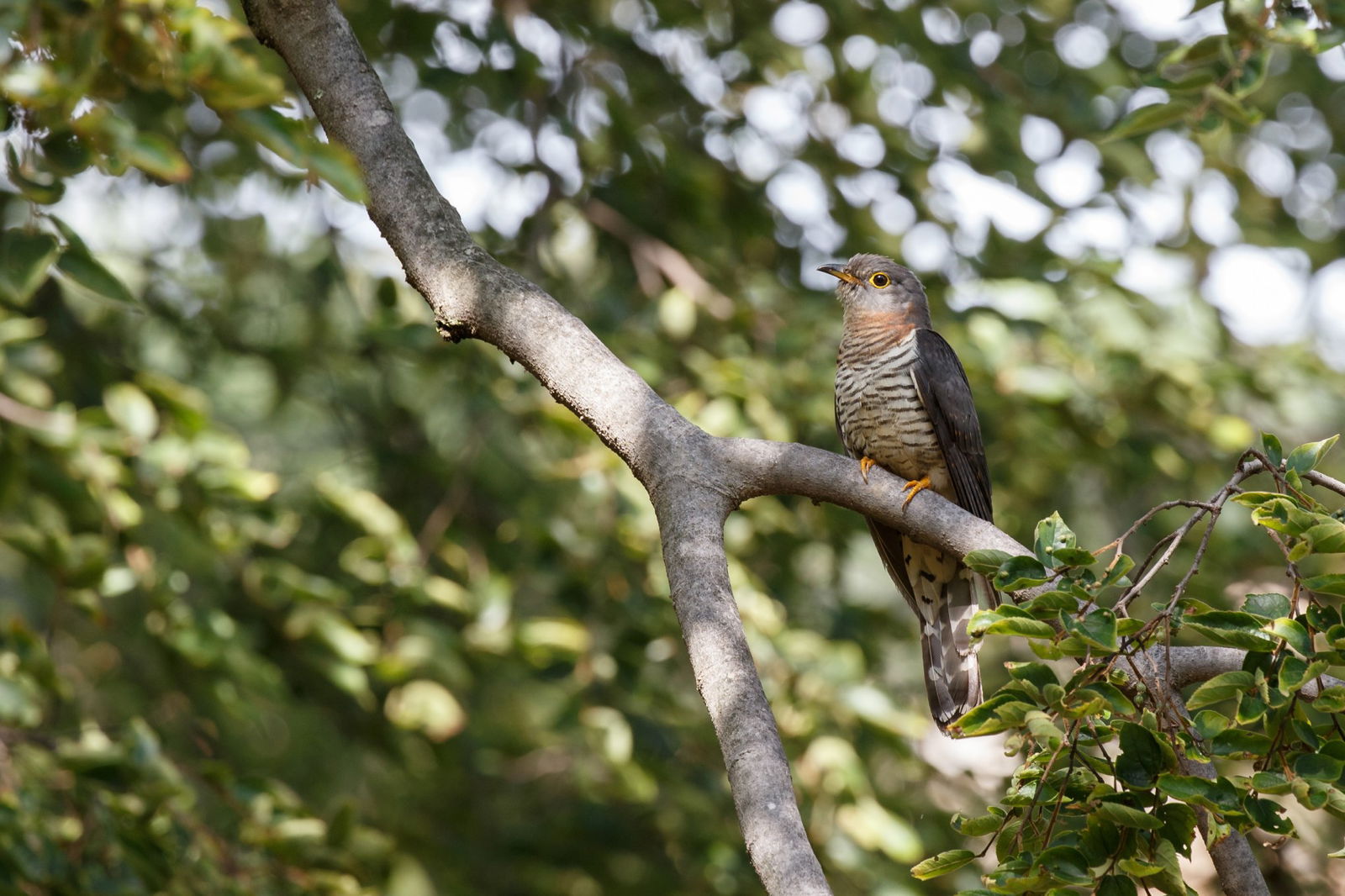
Likweti is home to seven cuckoo species that return with the changing season: the Diederick, Klaas’s, Red-chested, Jacobin, African, Black, and Levaillant’s Cuckoos. Most of them are intra-African migrants, spending the winter months further north before returning to the Lowveld to breed and feed during the summer rains.
Their arrivals are staggered, creating a rolling chorus through spring and early summer. The Klaas’s Cuckoo is often one of the first to be heard, sometimes calling as early as late August. Diederick Cuckoos typically follow in September and October, while the much-loved Red-chested Cuckoo, with its distinctive “Piet my vrou” call, usually makes its presence known from mid-October, coinciding with the first summer storms. African Cuckoos and Jacobin Cuckoos arrive in early summer, and the striking Levaillant’s Cuckoo tends to appear slightly later, often from late October into November. The Black Cuckoo, with its mournful whistle, is also a summer visitor, weaving into the bushveld soundtrack. Most of these cuckoos spend the winter months further north in Africa, some reaching as far as the equator or beyond, before returning south to breed when food is plentiful.
Together, these seven species bring a rich variety of voices to the bush, each announcing in its own way that summer has arrived in the Lowveld.
Why Do Cuckoos Migrate?
Cuckoos, like many insect-eating birds, migrate to follow their food. Insects are abundant in southern Africa during the warm, rainy season but scarce in the dry winter months. By moving north during our winter and returning in spring, cuckoos ensure a steady supply of nourishment.
The Secret Life of Cuckoos: Brood Parasitism
Unlike most birds, cuckoos don’t build their own nests or raise their chicks. Instead, they practice what scientists call brood parasitism. This means that a female cuckoo lays her egg in the nest of another bird species (often smaller birds like robins, bishops, or weavers). The unsuspecting host incubates the egg and raises the chick as its own.
Once hatched, the young cuckoo often grows much faster than its “siblings,” sometimes even pushing them out of the nest. Incredibly, the host parents continue to feed the chick, even when it’s noticeably larger than they are!
Not all cuckoos use this strategy, but many African species do. Over time, they have evolved eggs that mimic the color and size of their host’s eggs, making it harder for the host bird to detect the intruder.
And what about identity? Despite being raised by another species, young cuckoos still grow up to “know” they are cuckoos. Their migratory routes, calls, and behavior are instinctive, passed down not through learning from their parents, but encoded in their DNA.
A Season of Song at Likweti
This time of year, residents at Likweti are treated to the soundtrack of summer, from the famous “Piet my vrou” of the Red-chested Cuckoo to the cheerful calls of the Klaas’s and Diederick Cuckoos. These fascinating birds are part of the estate’s impressive checklist of more than 250 bird species, making it a paradise for birdwatchers and nature enthusiasts alike.
Whether you’re listening for the first cuckoo of the season or watching wildlife graze outside your window, life at Likweti Bushveld Farm Estate is filled with the rhythms of the bushveld.
So if you’re looking for a place to settle down, perhaps it’s time to take a cue from the cuckoos. Why not “migrate” to Likweti and make your new “nest” here in the heart of the Lowveld?