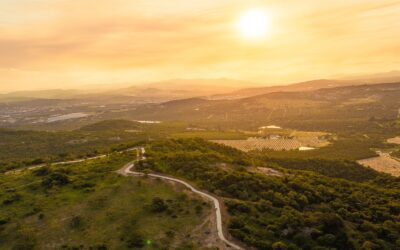
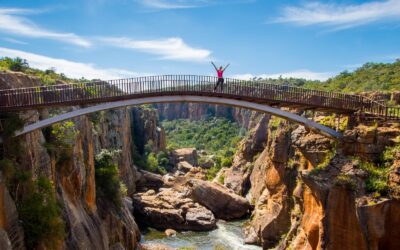
As much of South Africa starts settling into winter, the seasonal shift is already becoming noticeable across many parts of the country. Mornings on the Highveld are colder, the air drier, and the landscapes noticeably quieter. In the Lowveld, however, the changing seasons feel different. The days remain moderate, the bushveld stays active, and birdlife continues to move through the region in remarkable ways.
It is this seasonal rhythm that makes World Migratory Bird Day such a meaningful reminder of how connected nature really is.
Every year, migratory birds travel thousands of kilometres across continents and regions, following changing temperatures, rainfall patterns, food availability and breeding cycles. Some journey from Europe and Asia to southern Africa, while others move within Africa itself, returning to familiar habitats as the seasons change.
According to international bird guide Marc Cronje, more than 100 migratory bird species have been recorded in southern Africa, including 44 Palearctic migrant species travelling from Europe, Asia and northern Africa, along with 35 intra-African migrant species recorded in South Africa.
Many of these birds make their way through the Lowveld each year.
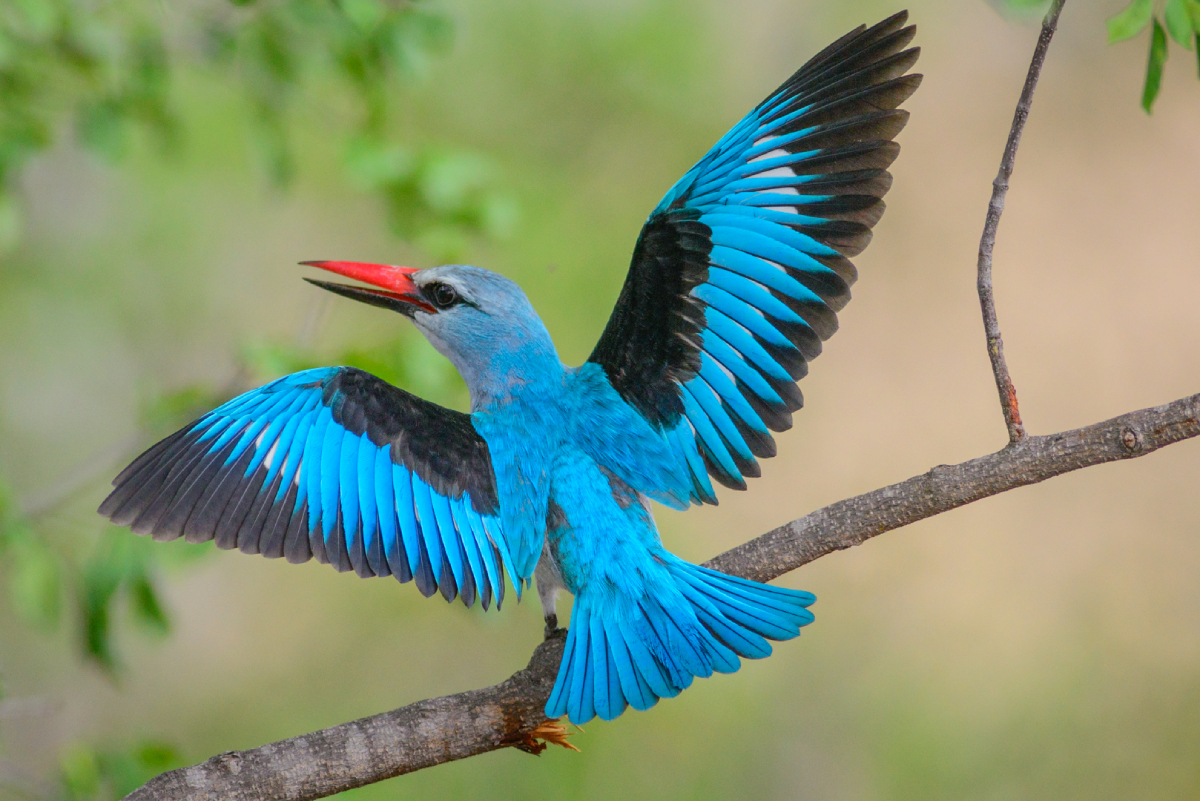
The unmistakable call of the Woodland Kingfisher becomes part of the soundscape from around November, while European Bee-eaters arrive from breeding grounds in Spain and Portugal, adding flashes of colour and movement to the bushveld. European Rollers, Steppe Buzzards and various cuckoo species including the Diederik, Klaas’s and Red-chested Cuckoo are also among the seasonal visitors regularly associated with the region.
One of the most fascinating migratory visitors to southern Africa is the Amur Falcon. This small insect-eating raptor breeds in northern China and south-eastern Siberia before making its way to southern Africa each year to escape the harsh winters of its home habitat. Covering an approximate migration route of 3 800 kilometres, the Amur Falcon undertakes one of the longest migration journeys associated with the region.
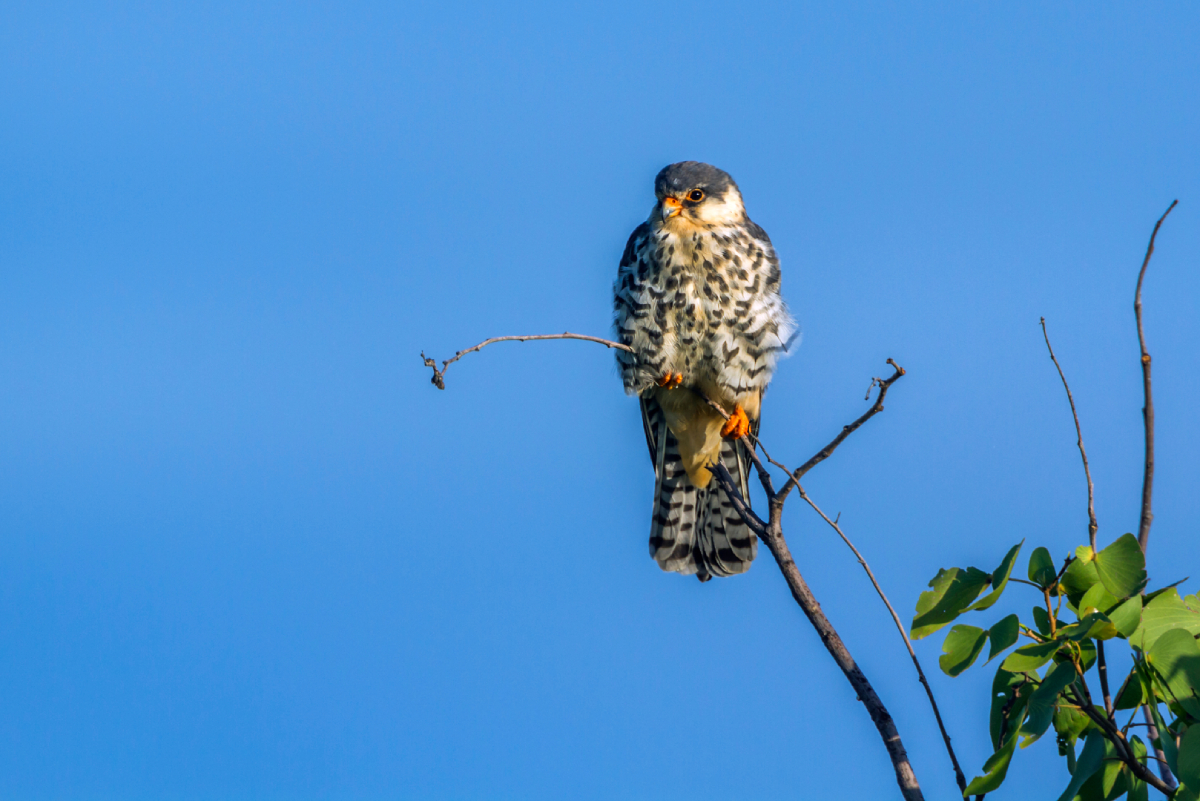
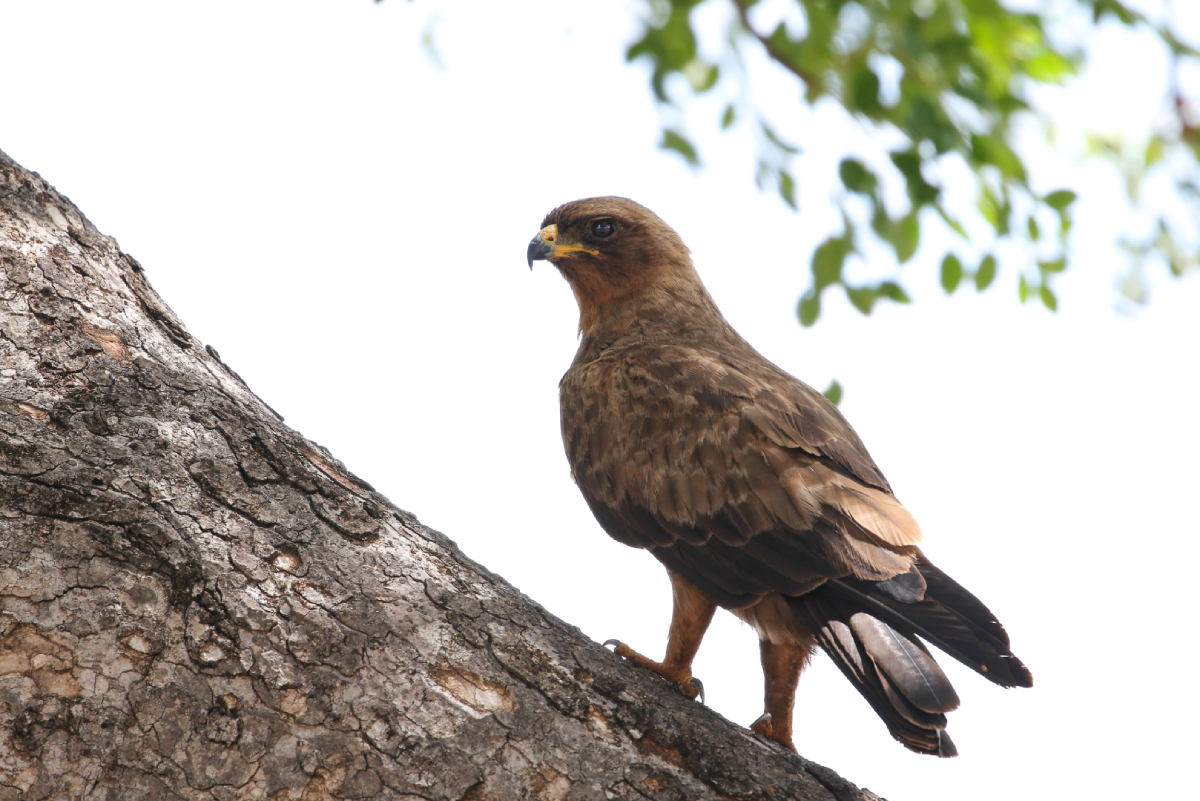
Not all migration happens between continents though. Species such as Wahlberg’s Eagle are intra-African migrants, moving northwards again during the cooler months after spending summer in southern Africa.
For birders and nature lovers, these movements become part of the changing rhythm of the year. Certain calls signal the arrival of summer. Certain silhouettes disappear as winter approaches. Even subtle shifts in activity across the bushveld often reflect larger natural cycles taking place far beyond the Lowveld itself.
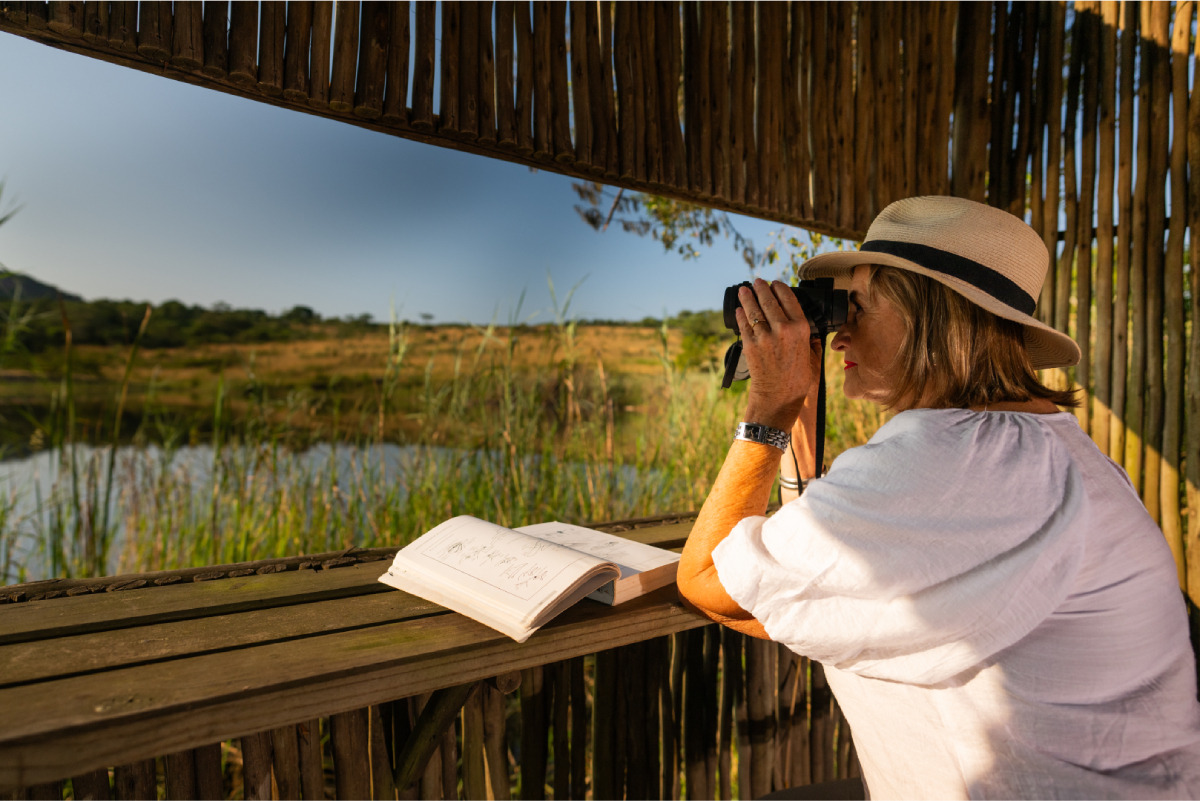
At Likweti Bushveld Farm Estate, this rich birdlife forms part of everyday life on the estate. More than 250 bird species have been recorded here, with residents regularly encountering a variety of birdlife while walking, trail running, mountain biking or simply spending time outdoors. From colourful bee-eaters moving through the trees to birds of prey soaring overhead, remarkable sightings can just as easily happen from the comfort of home as they can out in the bushveld.
The estate’s expansive open spaces, natural bushveld environment and low density approach to development continue to support an environment where biodiversity can thrive. Across the changing seasons, the movement, calls and activity of birdlife remain one of the defining features of everyday life in this part of the Lowveld.
World Migratory Bird Day ultimately serves as a reminder that these journeys are not only extraordinary because of the distances involved, but because birds continue returning to places where the environment still supports them season after season.
For those who spend time in the Lowveld, it is something experienced quietly and consistently each year. A familiar call returning with the warmer weather. A bird of prey circling overhead. The feeling that even as the seasons change, certain things always find their way back.
At Likweti Bushveld Farm Estate, the rhythms of the bushveld, rich birdlife and expansive open spaces form part of an everyday experience shaped by the Lowveld’s natural surroundings.
Explore the available stands in Phase 4, Likweti Cliffs, and discover more about life at Likweti Bushveld Farm Estate.